
What Did The FDA Just Say?
FDA / TGA & FSANZ Approved?
Amid the booming discussion of peptides on social media, especially in Australia and New Zealand, creators are sharing experiences with "unapproved" research peptides such as BPC-157, TB-500, and KLOW stacks.
I found this article from a Facebook share:
https://www.facebook.com/share/18WCrRShe5/?mibextid=wwXIfr
My point is, please define "approved".
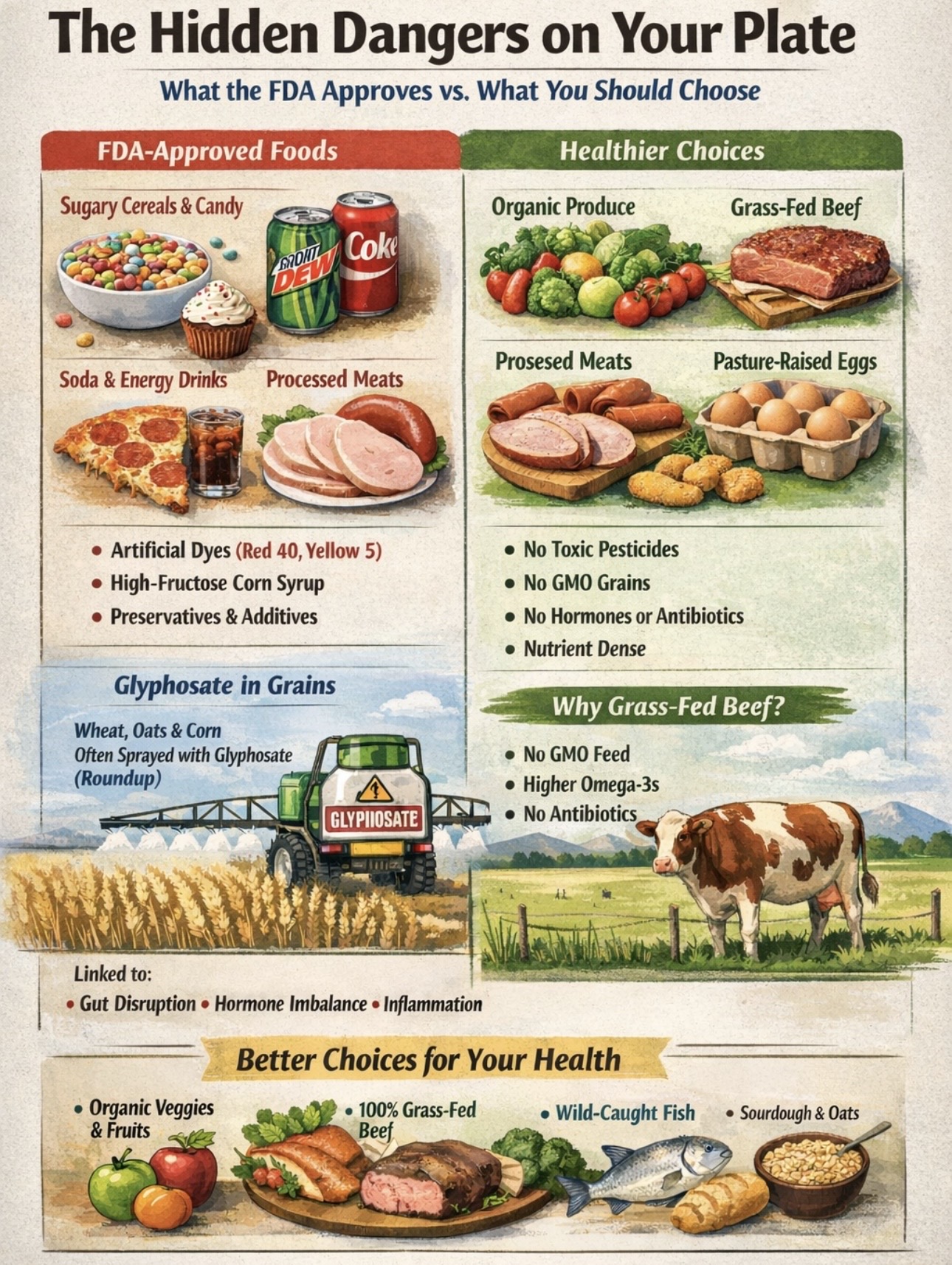
Below is a clear, factual list of widely sold foods common in Aussie and Kiwi supermarkets that many nutrition experts flag as metabolically harmful due to high sugar, artificial colours, preservatives, and ultra-processing, despite FDA/TGA/FSANZ approval under the Australia New Zealand Food Standards Code.
This isn’t about legality under FSANZ. It’s about physiology, long-term health, and informed consent for Aussies and Kiwis.
🧁 Ultra-Sugary, Dye-Heavy Foods Marketed to Kids
These pack refined sugar + permitted colours like 102, 110, 122 + minimal nutrients.
- Breakfast cereals: Froot Loops, Lucky Charms, Cap’n Crunch, Fruity Pebbles
- Snack cakes: Twinkies, Little Debbie (or local twists like Monte Carlo biscuits), Ding Dongs
Common issues: Petroleum-derived colours (Allura Red 129, Sunset Yellow 110); high GI; zero fibre/protein.
🍭 Candy & Sweets with Artificial Colours
- Skittles, M&M’s, Starburst, Sour Patch Kids, Swedish Fish, Jolly Ranchers
Issues: Colours like Tartrazine (102) linked to hyperactivity in sensitive kids; rapid sugar spikes; no real nutrition. (Note: Red 40 is banned here, unlike the US.)
🧃 Sugar-Sweetened Beverages (Liquid Sugar)
- Mountain Dew, Pepsi/Coke variants, Sunny D, Hawaiian Punch, energy drinks (V, Mother, Rockstar, Red bull)
Why problematic: Insulin surges; fatty liver risk; phosphoric acid erodes teeth; synthetic caffeine.
🍞 “Enriched” Refined Carbs
- White sandwich bread (e.g. Tip Top), hamburger buns, bagels, crackers (Arnott’s, Ritz)
Concerns: Fibre-stripped flour; partial "enrichment"; blood sugar rollercoaster.[3]
🍟 Ultra-Processed Frozen & Packaged Foods
- Frozen pizzas (e.g. Domino’s / Pizza Hut), chicken nuggets, corndogs, microwave meals, processed sausages, Mc Donalds, Burger King, Hungry Jacks, KFC, Red Rooster
Contain: Seed oils (canola, soy); preservatives (320 BHA, 321 BHT); emulsifiers.[6][3]
🥓 Processed Meats (FSANZ-OK, WHO Group 1 Carcinogen)
- Hot dogs (battered sausages), bacon, deli meats (cabana, ham), pepperoni
Issues: Nitrates/nitrites; AGEs from processing; oxidised fats.[3]
🧂 “Low-Fat” or “Diet” Foods
- Flavoured low-fat yoghurts (e.g. Yoplait), fat-free dressings, diet bars, meal shakes
Trade-off: Fat cut → added sugars, thickeners (407 carrageenan), sweeteners (951 aspartame).[3]
⚠️ TGA/FSANZ Approval ≠ Health Optimisation
REPEAT: DOES NOT MEAN HEALTHY. FSANZ assesses acute toxicity, manufacturing, and labelling, but skips long-term metabolic harm, hormonal shifts, insulin resistance, or the effects of decades of exposure.
Many US additives (e.g., some dyes, brominated oils) are banned here, yet ultra-processed foods thrive.
Proper Reconstitution Essentials
For the safe use of injectable peptides such as Retatrutide, KLOW Stack, and MOTS-C, reconstitute lyophilised powders with BAC Water (bacteriostatic water), a sterile saline solution containing 0.9% benzyl alcohol that helps maintain stability and prevent bacterial growth.
Always use alcohol swabs to clean vial tops and injection sites to ensure hygiene and reduce the risk of infection. We stock these on our website for convenient and healthy research.
Safe Research Tips
When conducting your own personal research, ensure that they require proper dosing and monitoring despite their favourable safety profile.
Store reconstituted vials refrigerated and follow research guidelines to maximise efficiency.
These peptides promote wellness when used responsibly in line with recommended research information.